
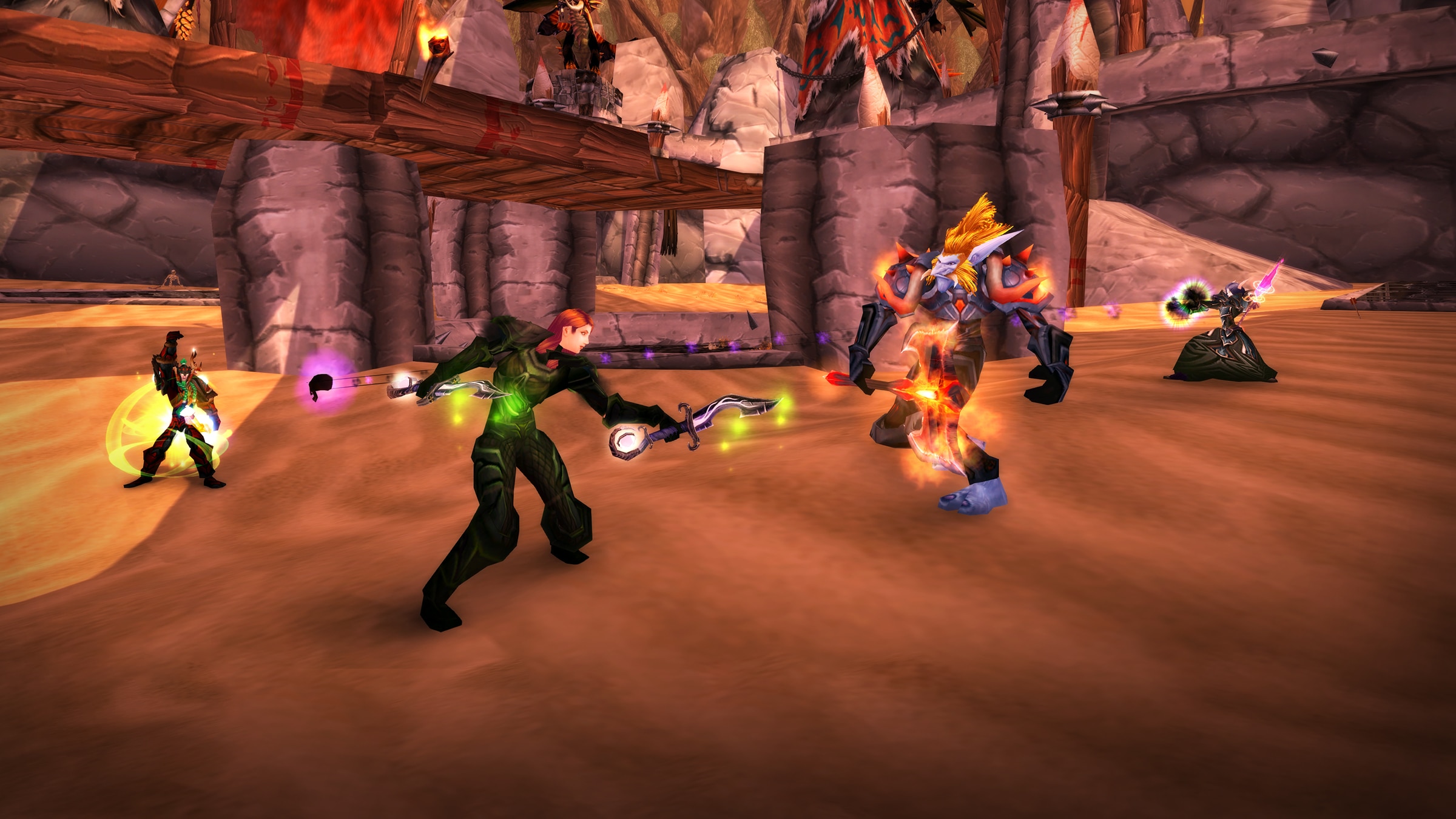
With the Burning Crusade Anniversary pre-patch coming in January, Blizzard is making PvP feel closer to “real competitive play” than anything we had in Vanilla — but without the old rank-grind pain. The big headline is simple: Arena is the main endgame, and the entire system has been rebuilt to remove friction, improve matchmaking, and make gearing more accessible while keeping the very top rewards prestigious.
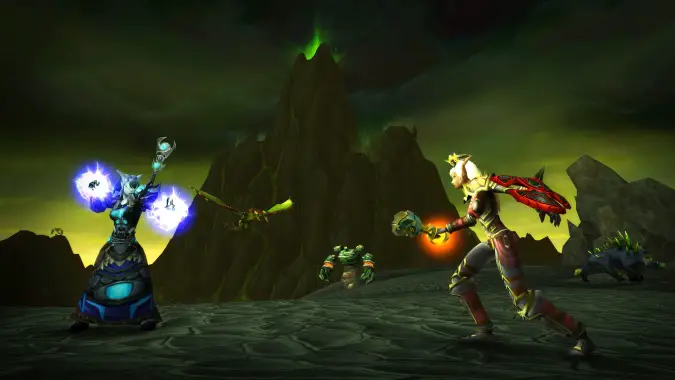
What’s New in TBC Anniversary PvP (The Big Picture)
TBC Anniversary shifts PvP from time-based grinding to skill-based progression, built around seasons and personal ratings.
In Vanilla, PvP progression largely rewarded time investment — hours of queueing, weekly brackets, and a system where dedication often mattered more than performance. In TBC Anniversary, the philosophy is different: PvP is designed to be repeatable, competitive, and less punishing. You’re expected to play regularly, improve, and earn rewards that reflect performance instead of pure grind.
- Arena becomes the core competitive mode (2v2, 3v3, 5v5)
- Arena Teams are removed — ratings are personal
- All characters start at 1500 rating (so you can climb up or drop down)
- Once per week, you can reset to 1500 for gold if you’re below 1500
- Battlegrounds are unrated and reward Honor (plus reputation), not ladder progression
- PvP gear is cheaper, with fewer rating requirements overall
- Resilience matters — PvP gear becomes a real requirement for Arena
Why this matters
TBC Anniversary is trying to keep the “team spirit” of Arena alive, while removing the roster-lock friction that made original Arena Teams annoying to manage week after week.
Arena Overhaul: No Teams, Personal Ratings, and a 1500 Start
Blizzard’s biggest changes are aimed at making Arena more flexible, more fair, and harder to abuse.
In original TBC, Arena Teams were part of the identity of the system — you created a team, built a roster, and your rating lived on that team. It had a fun “esports” vibe… but it also created a ton of friction. Want to play with someone else? You had to juggle team invites. Want to try a different comp? You often had to rebuild from scratch. And worse: a high-rated player could leave a strong team and join a fresh low-rating team, creating ugly matchmaking situations.
For Anniversary, Blizzard is ditching Arena Teams entirely while trying to preserve the best part of that “team feeling”: starting at 1500, playing your weekly matches, and steadily progressing without administrative headaches.
Arena Teams Are Gone (and That’s a Good Thing)
No more rosters. No more “you can only be on one team per bracket.” No more weekly stress about who can make games. Instead, each character has a personal rating per bracket, and you can play with different partners without needing to form a formal team.
In practice
This should make it easier to queue with friends, test comps, and keep playing even when your “main partner” is offline — without losing the sense of progression tied to your rating.
1500 Starting Rating for Everyone
Every character starts at 1500 instead of 0. That sounds like a simple number change, but it dramatically impacts how Arena feels week-to-week. Starting at 1500 means there’s “room to fall,” which improves matchmaking stability and keeps the ladder from being a pure upward-only treadmill.
- Each bracket has its own rating: 2v2, 3v3, 5v5
- Your rating is character-based, not team-based
- Matchmaking should be fairer because you can’t “wipe your history” by switching teams
Weekly Rating Reset (Gold) — Only If You’re Below 1500
Once per week, per character, you can pay gold to reset your rating back to 1500 — but only if you are currently below 1500. Ratings above 1500 cannot be reset. The gold cost varies depending on your bracket (2v2 / 3v3 / 5v5), and each bracket has its own weekly reset.
Important
This isn’t a “free redo” button for high ratings. It’s a way to recover from a bad week below 1500 without encouraging the abusive behavior that old team resets could create.
The goal is pretty clear: if you had a rough set of games, you’re not locked into a miserable climb from deep below the baseline. But if you’re already performing above baseline, Blizzard wants you to own that rating and keep competing at that level.
Gearing Changes: Lower Costs, Fewer Walls, More People Playing
Anniversary Arena isn’t just changing matchmaking — Blizzard is also reducing the gear barrier so more players can participate.
TBC is the expansion where PvP gear becomes truly “mandatory” for competitive play, largely because of Resilience. Without it, you often feel like you’re made of paper — and the difference between surviving a burst window and being deleted can come down to just a few pieces.
That’s why Blizzard is making entry-level gearing smoother. Overall costs are going down slightly, and the rating-gated pieces are limited to a small number of prestige slots.
Rating Requirements (Only for a Few Key Pieces)
In Anniversary, most PvP items are not locked behind rating. The big exceptions are:
- Weapons: 1700 rating required
- Shoulders: 2000 rating required
That weapon requirement matters a lot more now that you start at 1500. Dropping the requirement to 1700 (from the higher thresholds players remember) effectively brings “real” weapon access closer to the average competitor while still forcing you to earn it through performance.
Reputation PvP Sets Arrive in Season 1 (Earlier Than Before)
Reputation-based PvP gear will be sold starting with the first Arena Season instead of later phases. This is a big change because rep gear is often the bridge between “fresh 70” and “I can actually survive in Arena.”
Set Bonuses Now Combine Across Honor + Reputation Gear
This one is easy to underestimate, but it’s huge for early gearing flexibility: the item set bonuses for reputation PvP gear are now combined with their Honor equivalents (Grand Marshal / High Warlord). That means you can mix pieces and still unlock meaningful bonuses.
Example
Wearing 2 pieces of a reputation set + 2 pieces of an Honor set can unlock the full 2- and 4-piece bonuses as intended — not just “two separate 2-piece bonuses.”
Battlegrounds & Honor: Still Important, Just Not Ranked
BGs remain the best way to farm Honor, practice mechanics, and round out your PvP set.
TBC Anniversary does not introduce Rated Battlegrounds. So if you’re coming from later expansions, it’s important to reset expectations: BGs don’t give ladder status. They’re there to fuel your PvP economy (Honor + rep) and help you build the foundation needed to compete in Arena.
In practice, BGs become the “engine room” of early PvP: you grind the basics, buy off-pieces, and build Resilience until you can reliably survive openers and pressure in Arena.
Eye of the Storm (New Battleground)
Eye of the Storm is the standout addition: it blends node control with a flag objective, forcing constant rotations and real map awareness. It’s less “tug-of-war” than classic BGs and more about making the right move at the right time — which lines up nicely with TBC’s PvP identity.
World PvP & Halaa: The Outland Hotspots
World PvP is unranked — but it’s still where a lot of memorable TBC moments happen.
World PvP in Outland tends to happen naturally around high-traffic objectives: quest hubs, farming routes, and daily areas once they open. It’s chaotic, unstructured, and often unfair — which is exactly why many players love it.
The most iconic objective is Halaa in Nagrand — a capture point that triggers real faction fights and offers its own rewards loop. If you’re on a PvP server, don’t be surprised if “quick dailies” turn into 30 minutes of escalating revenge battles.
Rewards: Titles, Nether Drakes, and Elite PvP Sets
TBC PvP rewards are designed to show skill and seasonal achievement, not just time spent in queues.
Honor gear gets you started, but the prestige items are Arena-owned. If you’re aiming for the iconic TBC PvP identity — titles, drakes, and elite looks — you’ll need consistent performance across the season.
Gladiator Titles & Nether Drake Mounts
Gladiator remains the headline reward. The Nether Drake mount is the classic TBC flex, with different color variants tied to specific Arena seasons (for example: Merciless, Vengeful, Brutal). The important part: these rewards are meant to be rare, and they’re tied to your seasonal performance.
Elite PvP Sets (Prestige Cosmetics)
Elite sets are essentially “I was there, and I earned it” cosmetics. They have the same stats as standard PvP sets but come with unique appearances and are locked behind rating thresholds. Once a season ends, those elite looks are gone.
Prestige design
Blizzard is clearly trying to keep “top-end PvP” aspirational (shoulders, titles, elite visuals) while making basic gearing less miserable for everyone else.
PvP Vendors: Where to Buy Your Gear
Vendors aren’t limited to capital cities — Outland spreads PvP shopping across multiple hubs.
In Anniversary, PvP vendors are distributed across the world: you’ll find key vendors in Shattrath City, and additional ones in classic PvP zones and multiple Outland locations (including places like Nagrand, Netherstorm, Blade’s Edge, and later hubs depending on content availability). It’s a small detail, but it makes PvP feel “in the world” instead of locked behind a single city loop.
- Shattrath City (main hub)
- Tanaris
- Alterac Valley, Arathi Basin, Warsong Gulch, Eye of the Storm
- Outland zones (multiple locations depending on the vendor)
- Isle of Quel’Danas (later)
- Blackrock Depths (specific vendor access)
Our Take: Why These Arena Changes Are a Big Deal
Less friction, fairer matchmaking, easier entry-level gearing — without deleting prestige.
If Blizzard’s goal is to get more players actually playing Arena, these changes make sense. Removing Arena Teams kills a lot of the admin pain. Starting at 1500 gives the ladder a stable baseline. The weekly reset (only below 1500) offers a safety net without enabling high-rating abuse. And the gearing tweaks acknowledge a reality of TBC: Resilience is not optional, so entry-level access matters.
At the same time, Blizzard is still protecting prestige. Rating gates remain for the pieces that signal achievement (shoulders, weapons), and the best cosmetics stay tied to seasonal performance. That balance — accessible entry, aspirational top-end — is exactly what PvP needs on fresh Anniversary servers.
WCUI tip
If you’re planning to PvP seriously at 70, your early goals are simple: get enough Resilience to survive openers, then build consistency in one bracket (most players start with 2v2) before branching into 3v3.
What do you think of the Anniversary Arena overhaul? Are you excited about personal ratings and the weekly reset option, or do you miss the classic “team identity” of original TBC? Drop your thoughts in the comments — we’ll be tracking updates as more blue posts confirm details.
Related WCUI Guides
If you want, you can link this post to your future WCUI content like:
- Arena Basics: 2v2 / 3v3 Comps & Beginner Tips
- Best PvP Addons for TBC Anniversary (Arena frames, DR trackers, nameplates)
- Class PvP Guides (WIP)














Leave a Reply
You must be logged in to post a comment.