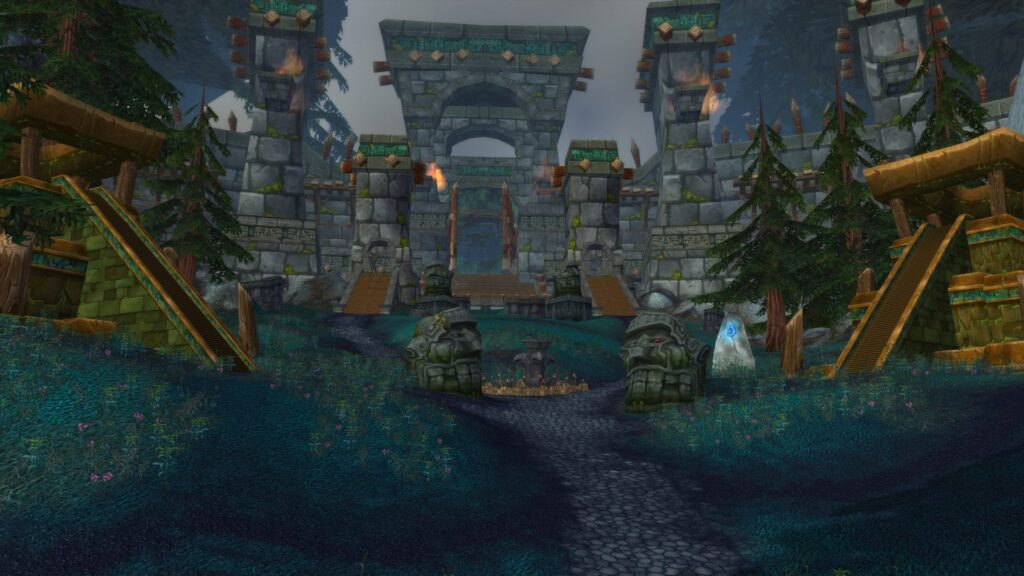
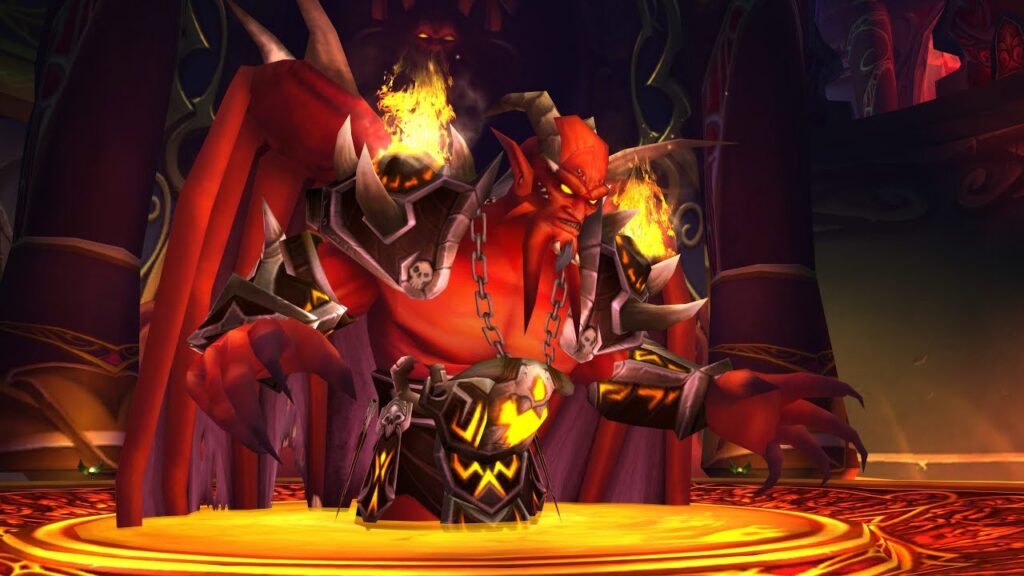
Blizzard has just rolled out a small but noteworthy hotfix for World of Warcraft Classic: The Burning Crusade Anniversary celebration!
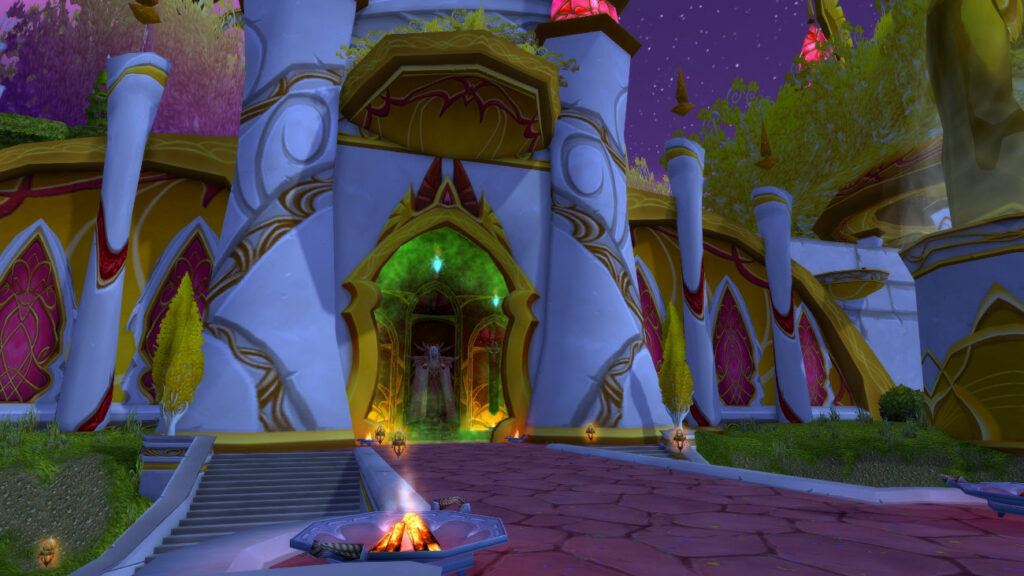
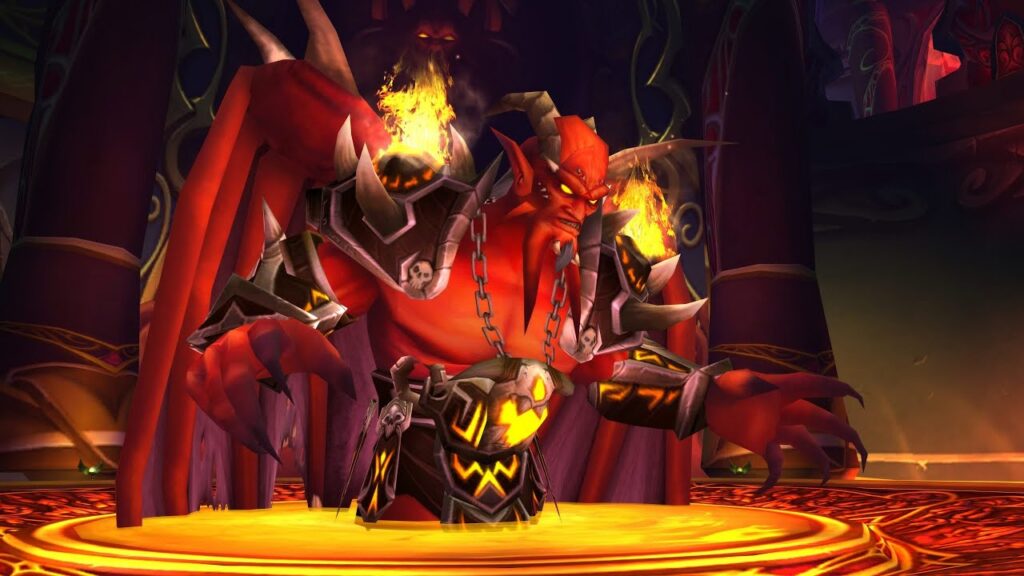
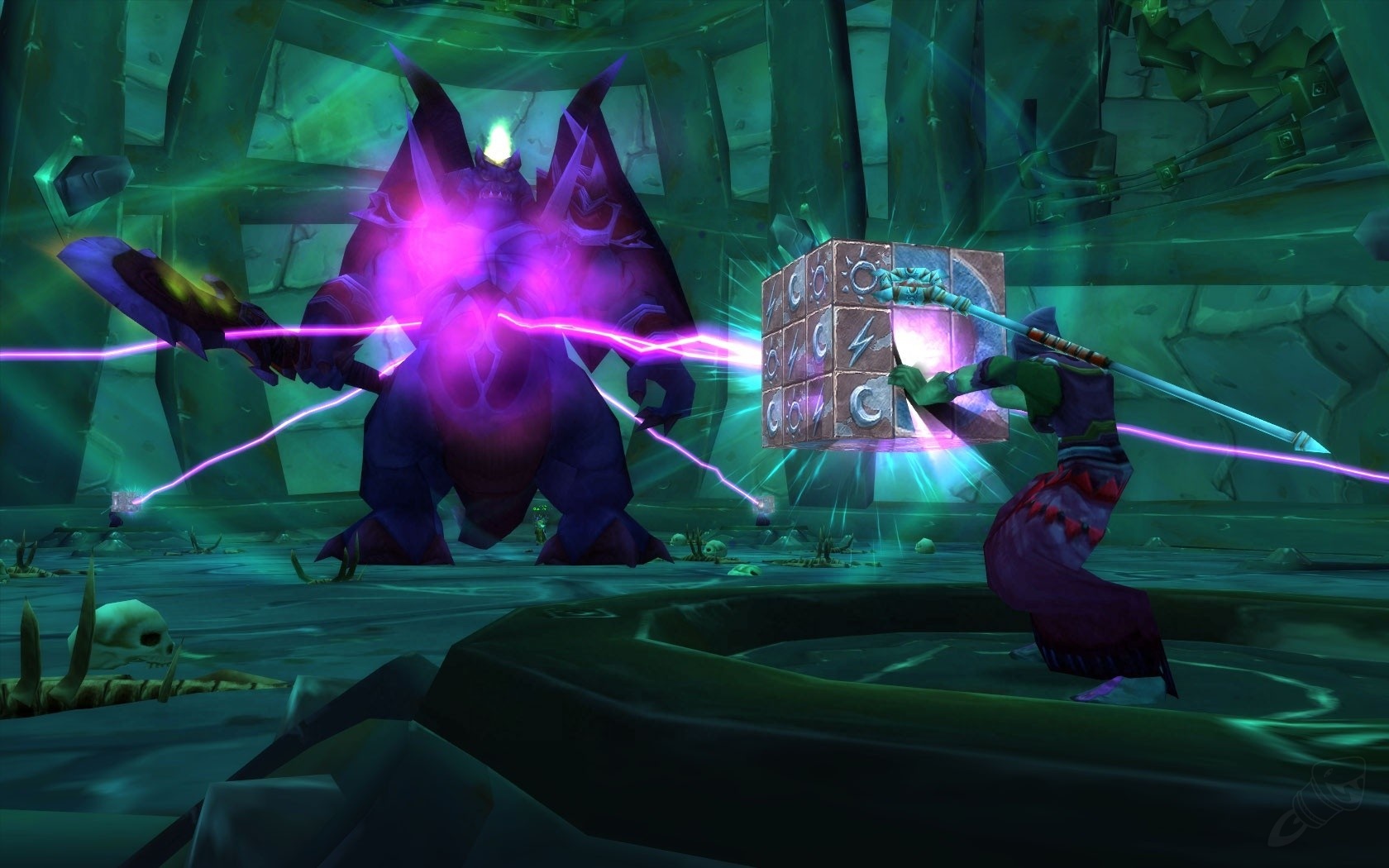
According to Community Manager Kaivax, the team addressed an issue with one of the most iconic encounters in Karazhan:
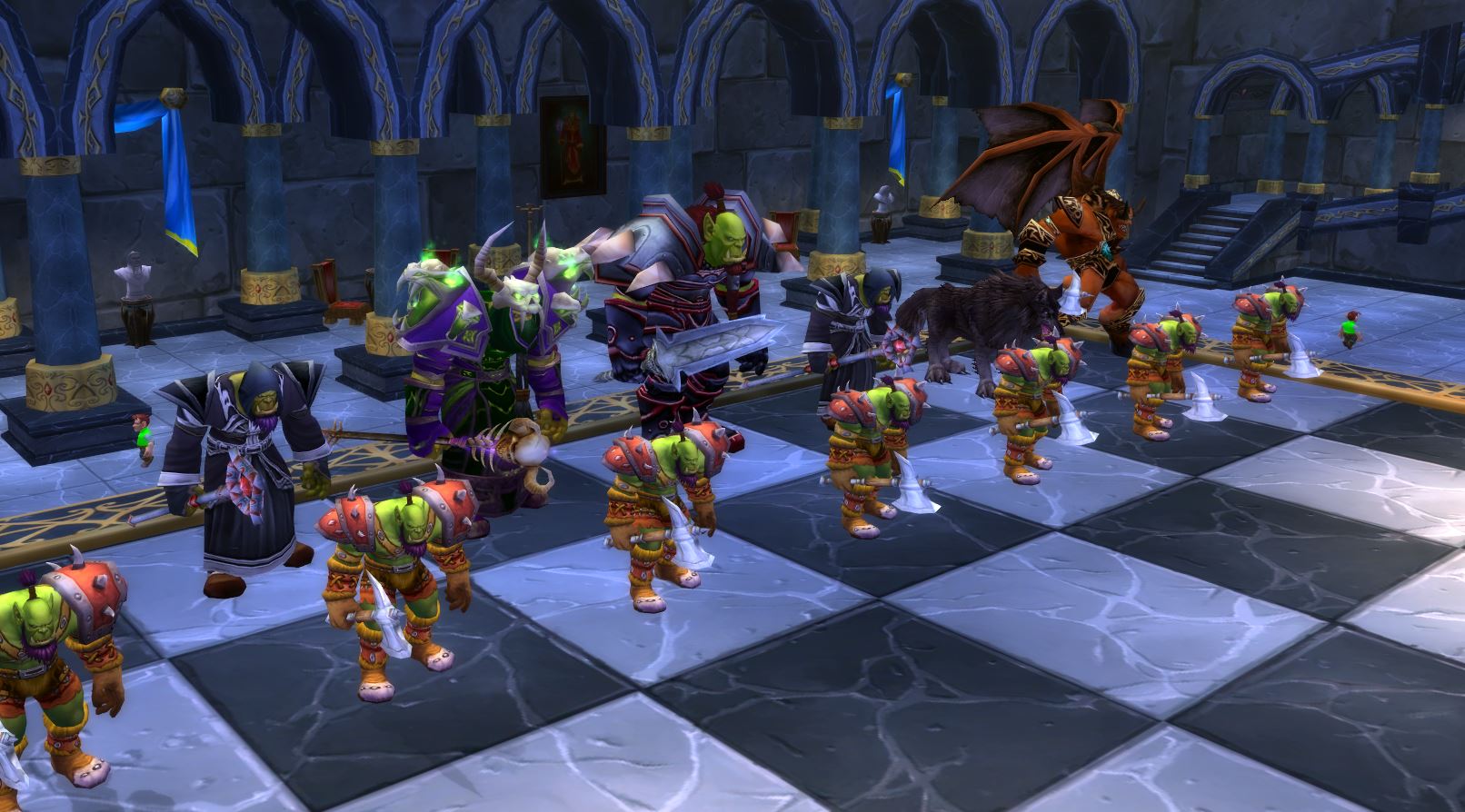
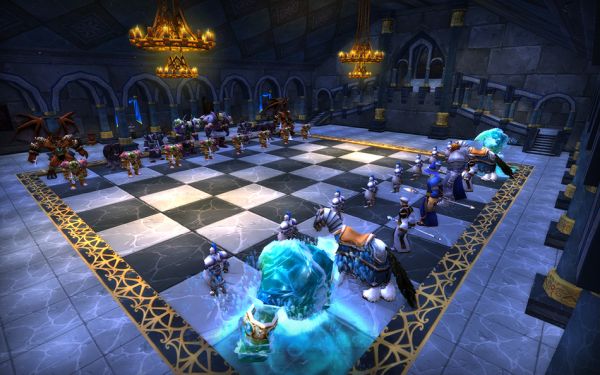
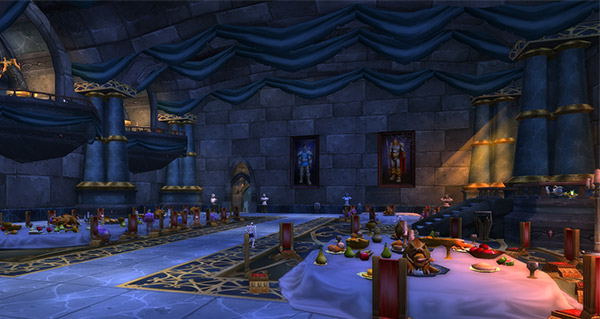
Fixed an issue that was causing the Karazhan Chess Event to run much faster than intended, allowing Medivh to cheat more often than he should. Sneaky Medivh!
Players had noticed that the Chess Event was completing at an unusually rapid pace — giving Medivh (and sometimes players!) an advantage that wasn’t part of the design. This hotfix restores the intended pacing and difficulty, ensuring the event feels as epic as it’s meant to be.
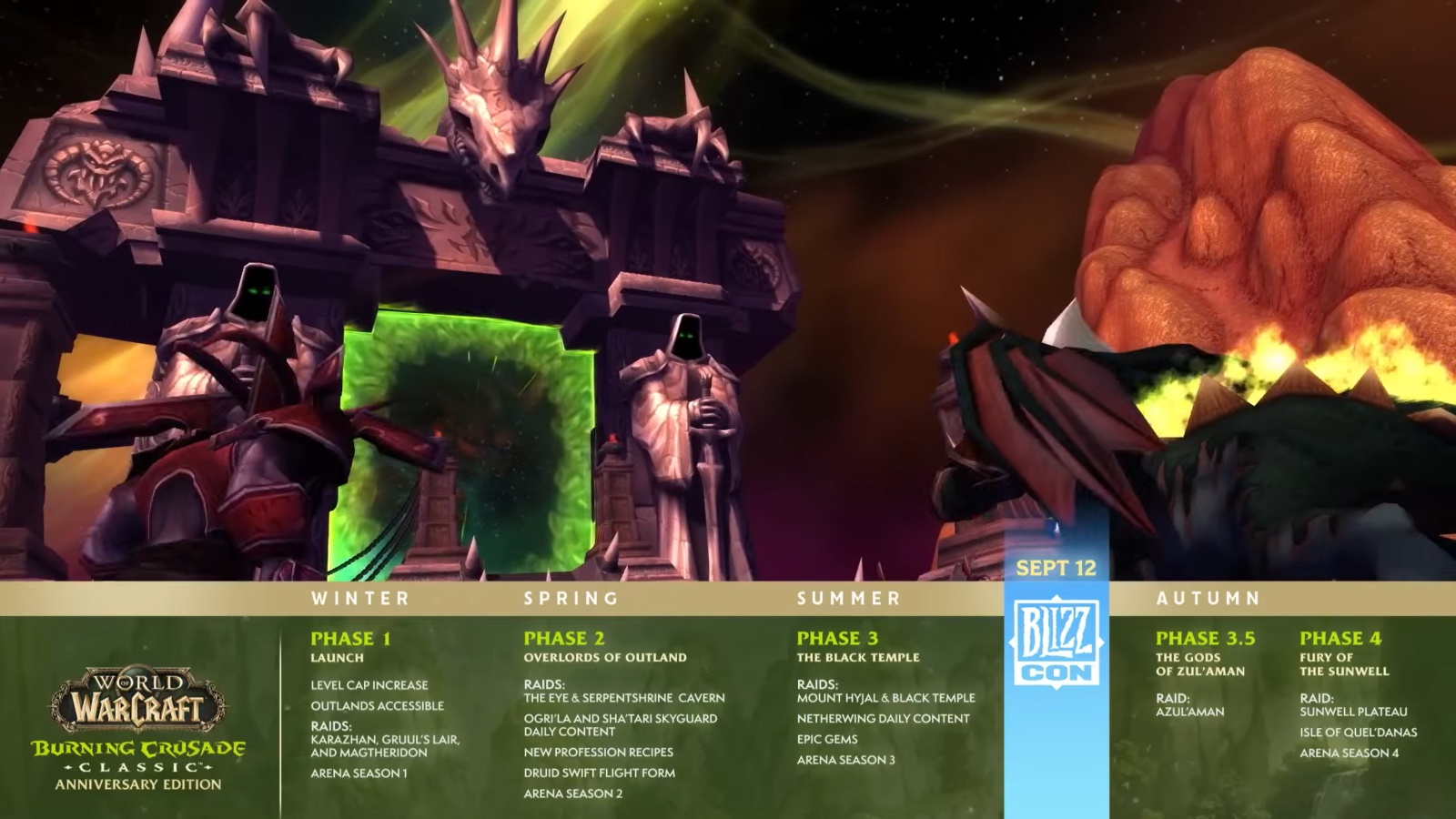
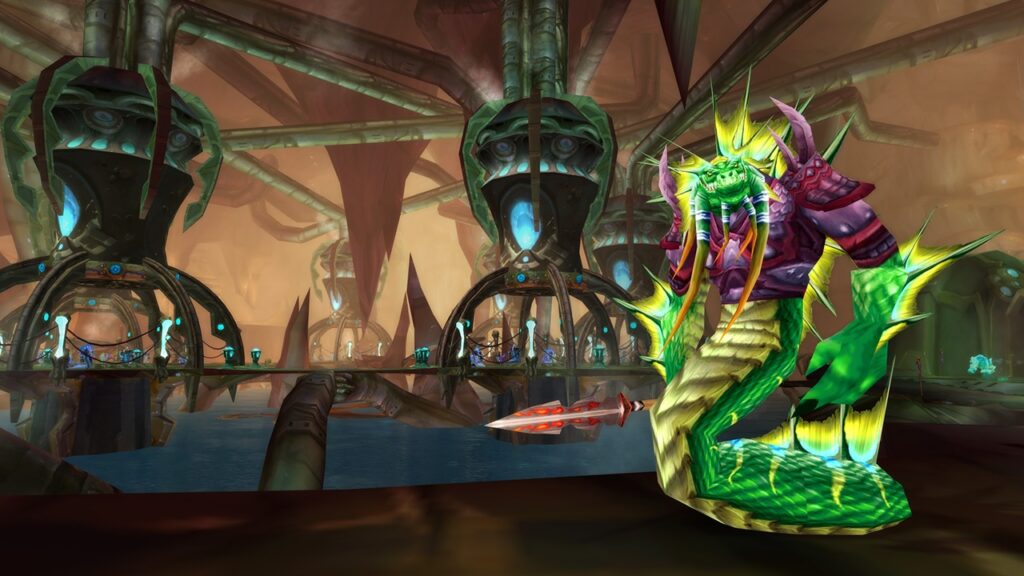
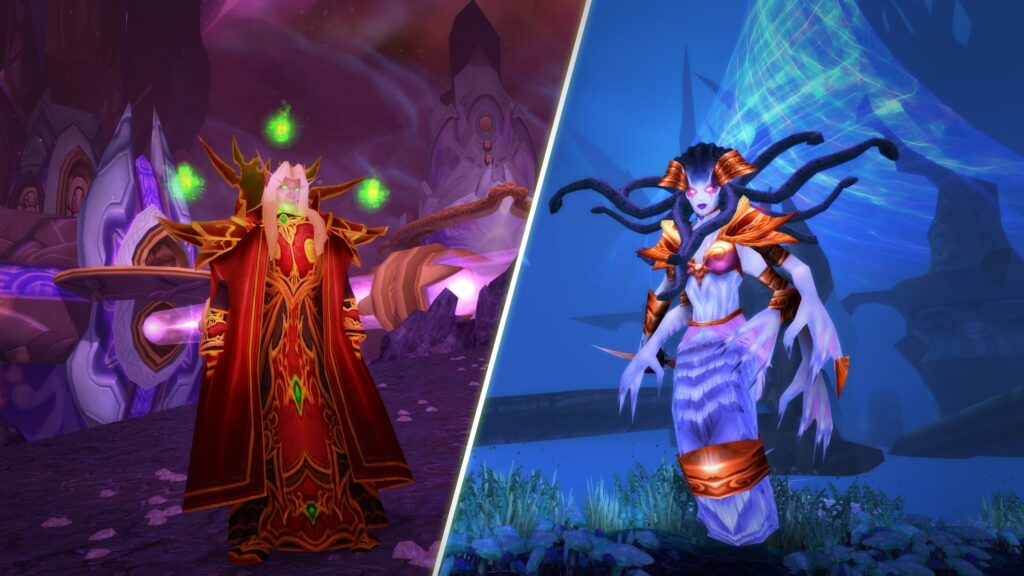
The Burning Crusade Classic Anniversary is officially underway. After beginning on fresh 20th Anniversary realms in November 2024, these progressing servers now move into The Burning Crusade with a structured phase rollout, raid schedule, profession updates, and quality-of-life improvements.
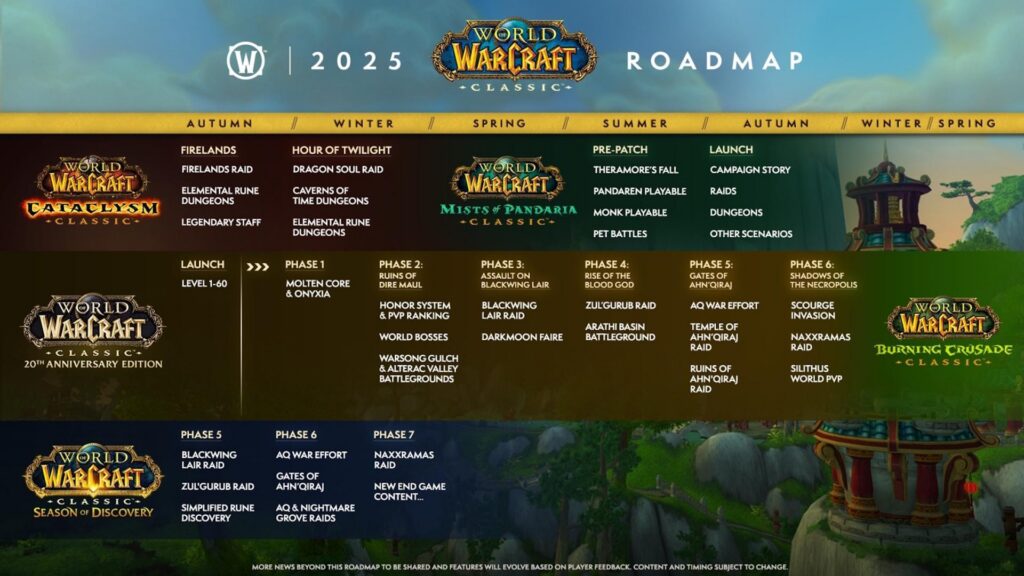
This guide provides the complete TBC Classic Anniversary roadmap: release dates, phases, raid unlocks, profession additions, and major system changes players can expect throughout 2026.
TBC Classic Anniversary Release Dates
Official launch timeline for The Burning Crusade Classic Anniversary.
TBC Classic Anniversary Roadmap
Pre-Patch: January 13, 2026
TBC Classic Launch: February 5, 2026
Phase 1 Raids Open: February 19, 2026
Anniversary realms are the same servers launched on November 21, 2024 for WoW Classic’s 20th Anniversary. They now progress directly into The Burning Crusade.
Anniversary Server Features
Modern improvements included from day one.
Improved reporting system
Guild leadership dethroning system
Chronoboon Displacer (up to 10 stored buffs)
Improved PvP Honor Ranking (Phase 2)
Graphics improvements
Instant mail on same account
No buff/debuff limit
Dual Spec
PvP faction balance enforcement
No GDKP allowed (NA & EU)
Pre-Patch – January 13, 2026
New races, leveling changes, and profession updates.
The pre-patch acts almost like a mini-expansion and introduces:
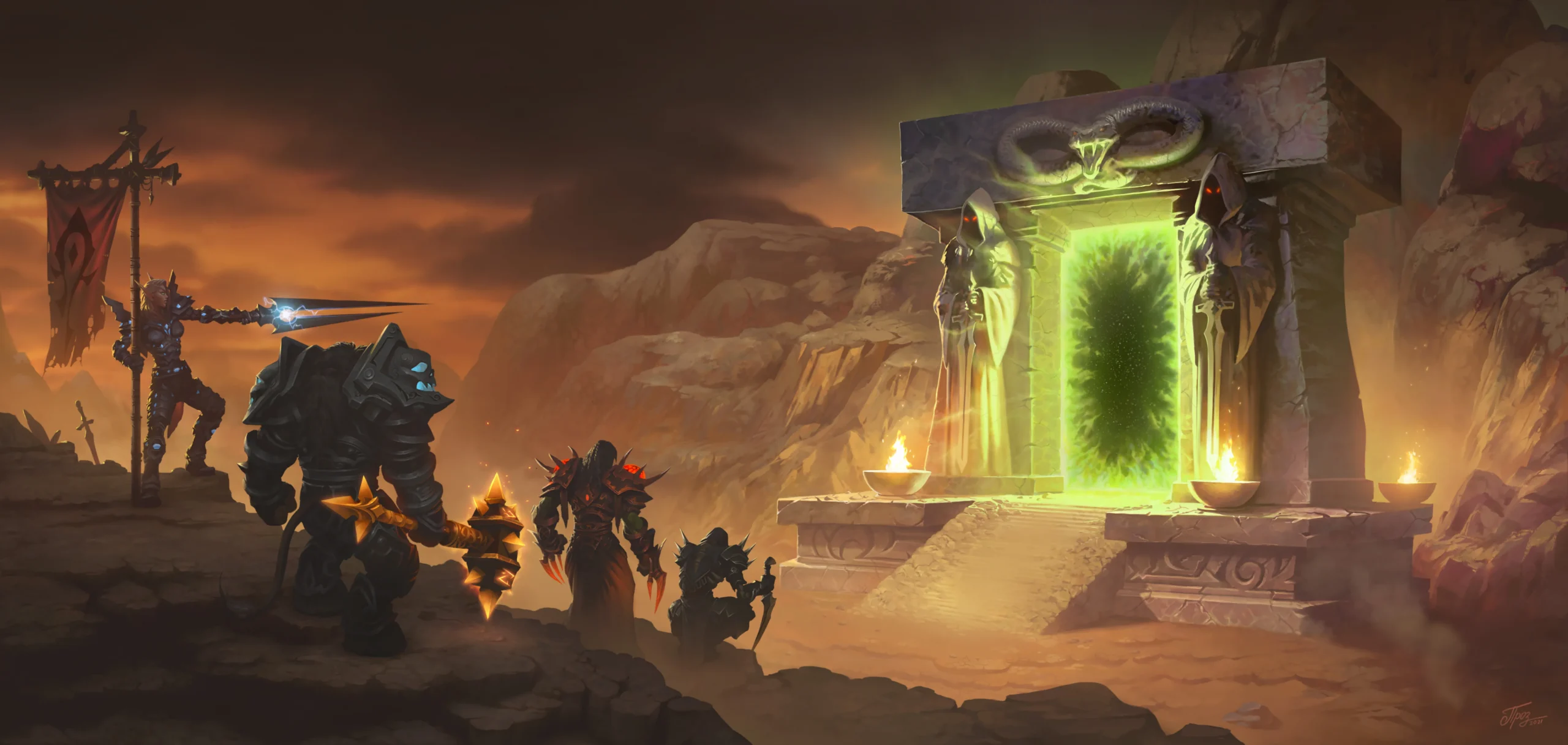
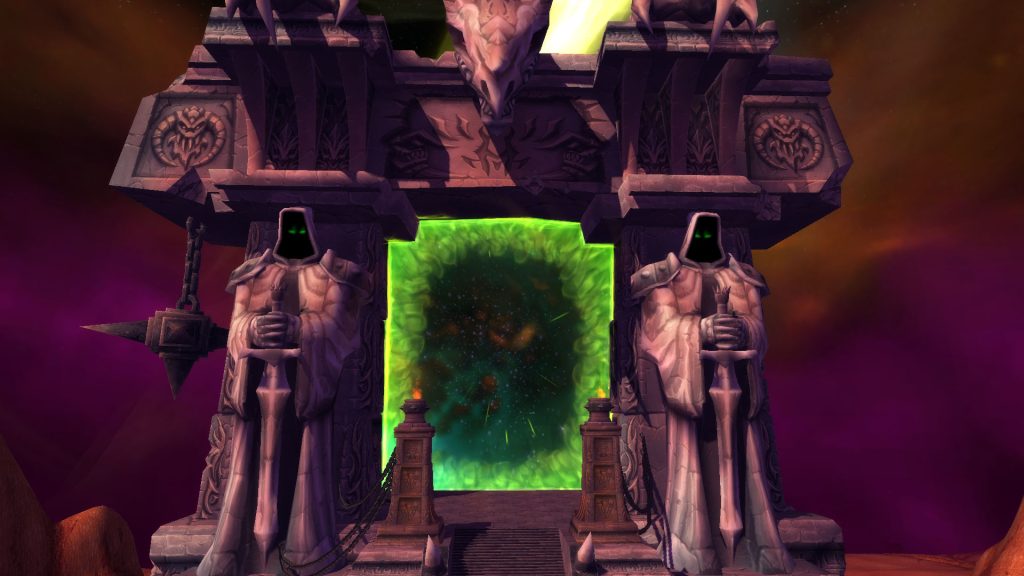
Great news for all Classic fans — the Burning Crusade portal is open once again! Whether you’re a veteran of Outland or stepping through the Dark Portal for the first time, it’s time to gear up and dive back into one of the most beloved eras of WoW.
This marks the third release cycle of TBC content, and the hype is still very real. From the moment you cross into Hellfire Peninsula, it’s chaos, nostalgia, and epic progression all over again.
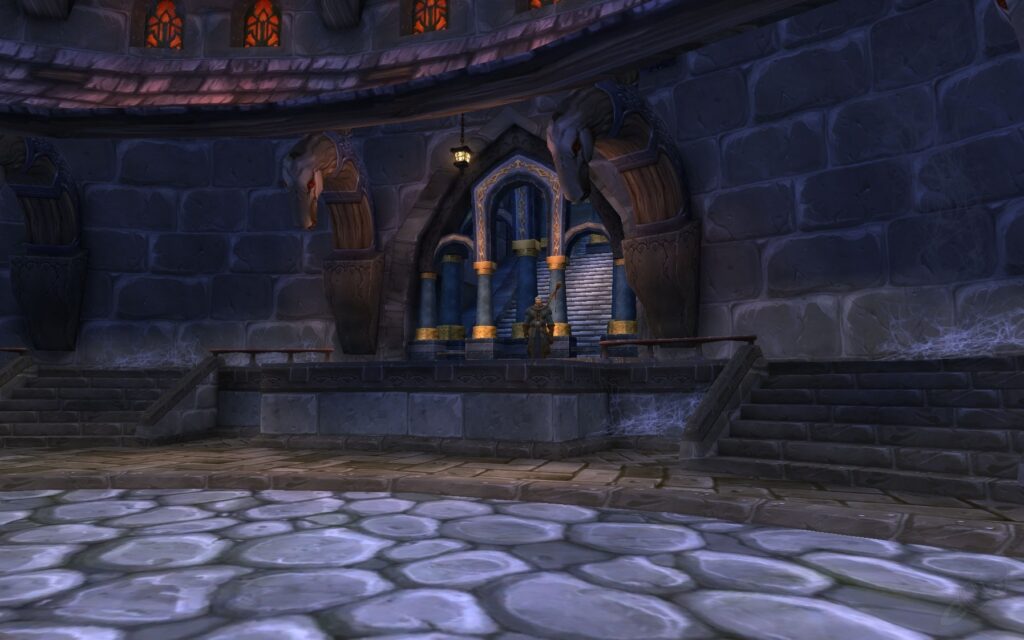
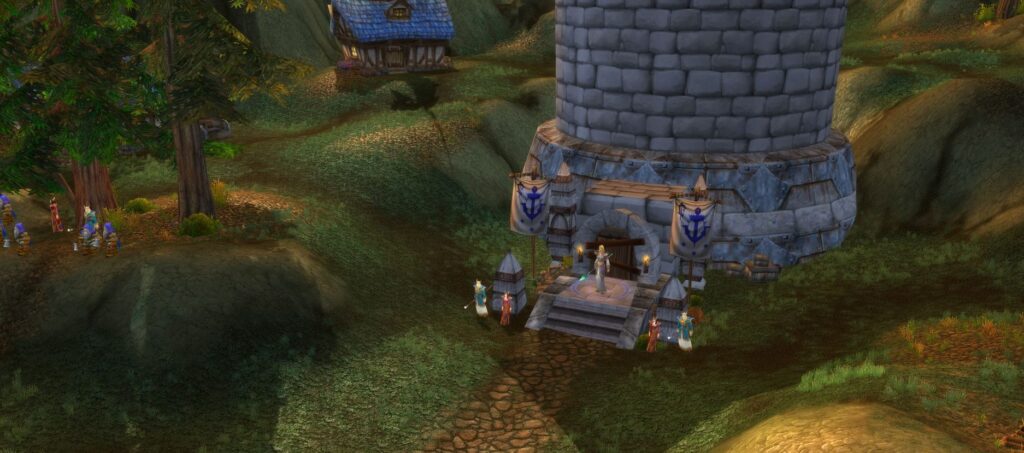
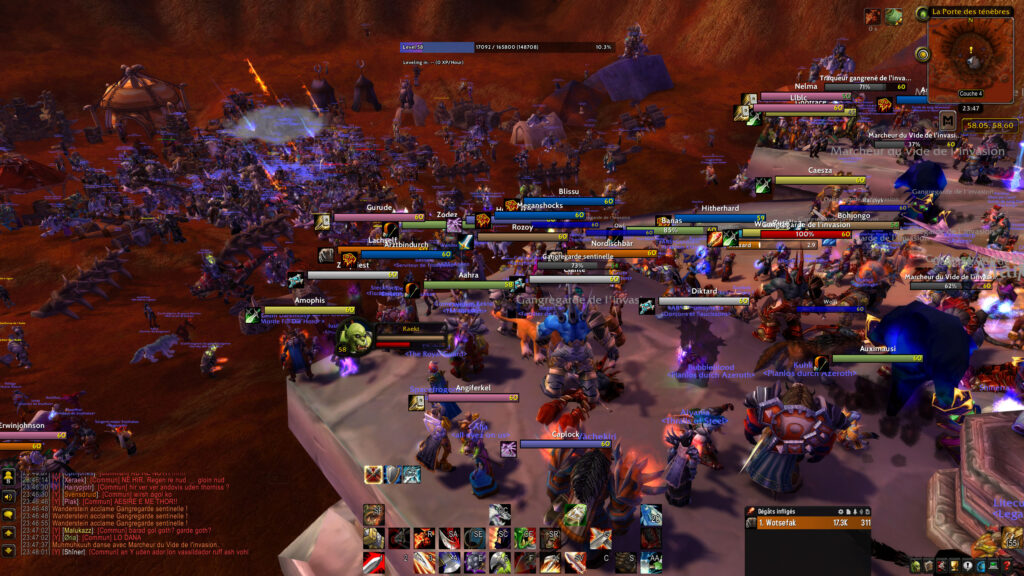
Players waiting on the Portal opening
What Awaits You in Outland
Brutal early quest zones and crowded portals
Iconic dungeons like Ramparts and Blood Furnace
Karazhan attunements and raid prep begins
Flying mounts on the horizon
Arena PvP and class balance shake-ups
Some of the most memorable gear designs in WoW history
Time to Reinstall Those Addons
If you’re coming back for this TBC run, make sure your UI is ready. Damage meters, threat meters, raid frames, quest helpers — a clean interface will make your leveling and dungeon grind much smoother. A fresh TBC launch is always the perfect excuse to rebuild your UI from scratch.
Sharpen your weapons, empty your bags, and warn your guild — Outland is calling again. Enjoy the adventure, the madness at the portal, and the race to 70.
Blizzard has deployed a hotfix today to address an issue affecting Level 58 boosted characters in TBC Classic Anniversary who did not properly receive their Riding skill.
According to Community Manager Kaivax, the problem has now been corrected:
With a hotfix earlier today, we corrected the level of Riding skill for boosted characters who did not receive Riding correctly. Upon completing the first boost quest “A New Beginning”, boosted characters should now automatically receive Apprentice Riding.
What you need to do if you were affected
If you boosted a character and already completed “A New Beginning” but did not receive Apprentice Riding:
👉 Simply log out and log back in — your Riding skill should then be granted automatically.
Blizzard indicated that they are confident in the fix, but they will continue monitoring reports in case any characters are still affected.
Why this matters
This fix is important because:
Apprentice Riding is required to use most ground mounts
Many boosted players were unable to ride properly after using their Level 58 boost
This issue could have delayed players preparing for Outland
With this resolved, boosted characters should now be fully ready to step through the Dark Portal when TBC Classic Anniversary launches on February 5, 2026.
With The Burning Crusade Classic Anniversary Edition officially gearing up for launch on February 5, 2026, Blizzard has now enabled one of the most anticipated services for returning and new players alike: the Level 58 Character Boost (Anniversary).
This makes it easier than ever to step through the Dark Portal and begin your journey in Outland without having to replay the entire 1–58 leveling experience in Classic Azeroth.
Jump Straight Into Outland
The new Level 58 Character Boost (Anniversary) allows you to instantly bring a character up to level 58, fully prepared to start questing in Hellfire Peninsula and beyond.
This is especially useful for:
Players returning after a long break
Those who want to reroll a new class for TBC
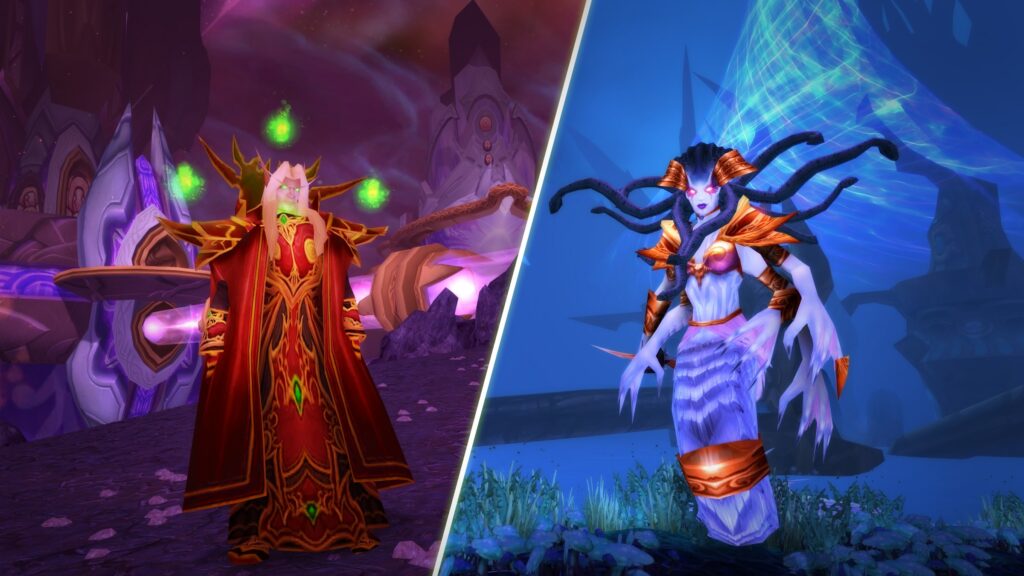
Blood Elf and Draenei fans who want to dive straight into their TBC experience
Classic players who don’t want to redo the full leveling grind
Important details:
The boost is only usable on WoW Classic Anniversary realms
It is tied to the specific WoW account on which it was purchased or redeemed
Blood Elf and Draenei characters are eligible for the boost
Dark Portal Pack Still Available
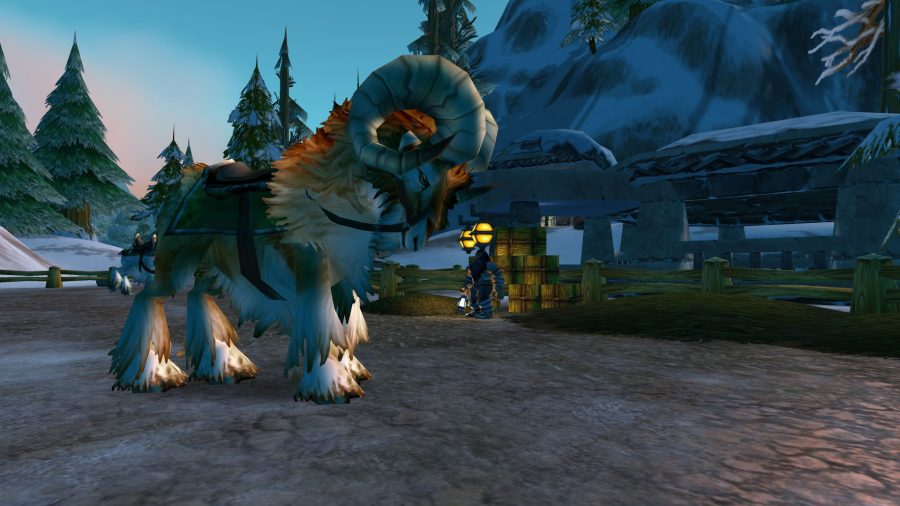
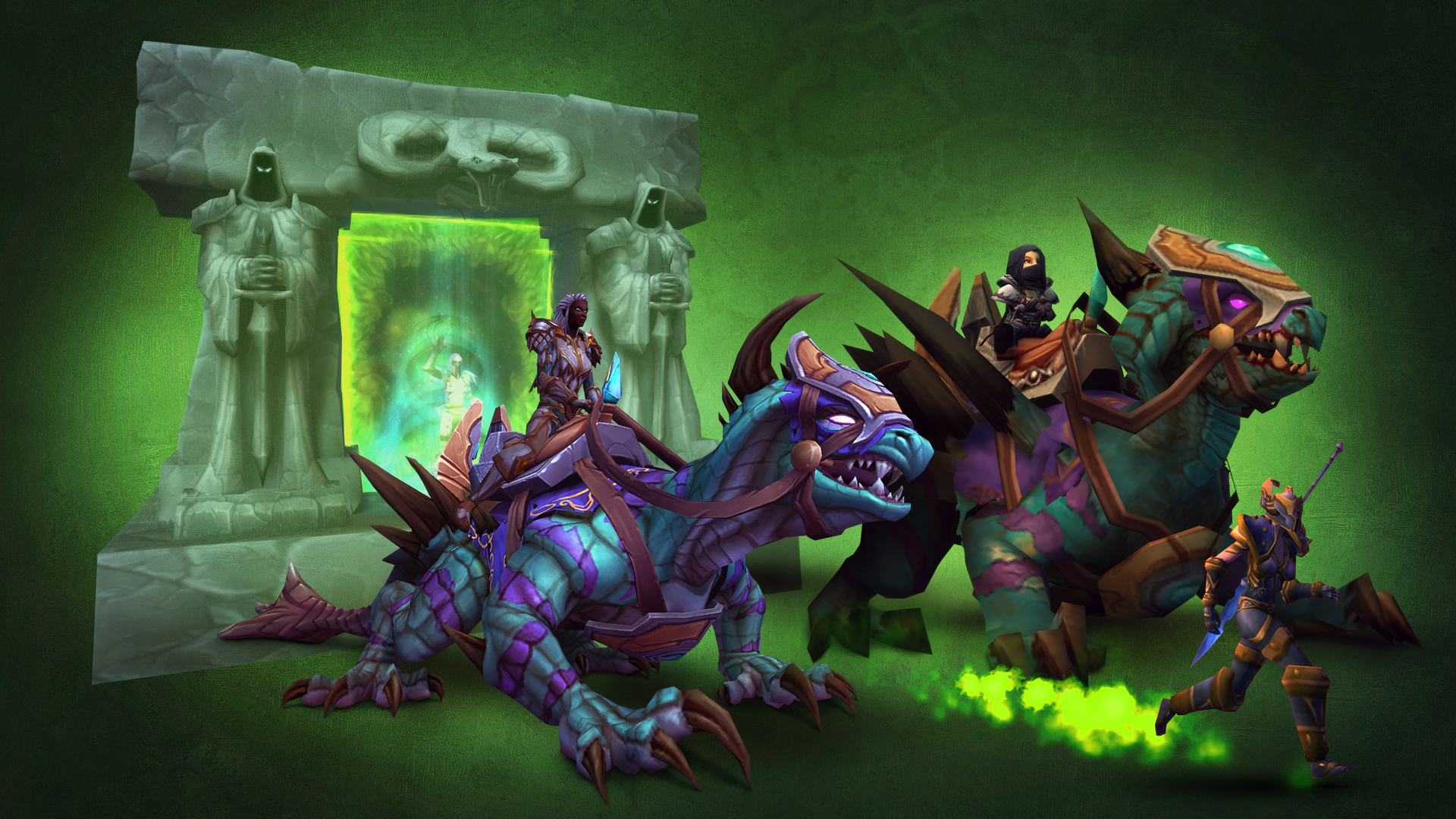
Alongside the boost, Blizzard is also promoting the Burning Crusade Classic Anniversary Dark Portal Pack, which includes several cosmetic rewards:
The price of the pack is dynamic, meaning it will automatically be reduced if you already own some of the included items. Each item is also available separately.
What This Means for Players
With boosts now live, we expect to see:
More players preparing characters before February 5
Increased activity on TBC realms
More players rolling Blood Elves and Draenei in advance
A smoother transition into Outland at launch
If you’re planning your return to TBC Classic Anniversary, now is a great time to decide your main, prepare your UI, and get ready for the Burning Legion.
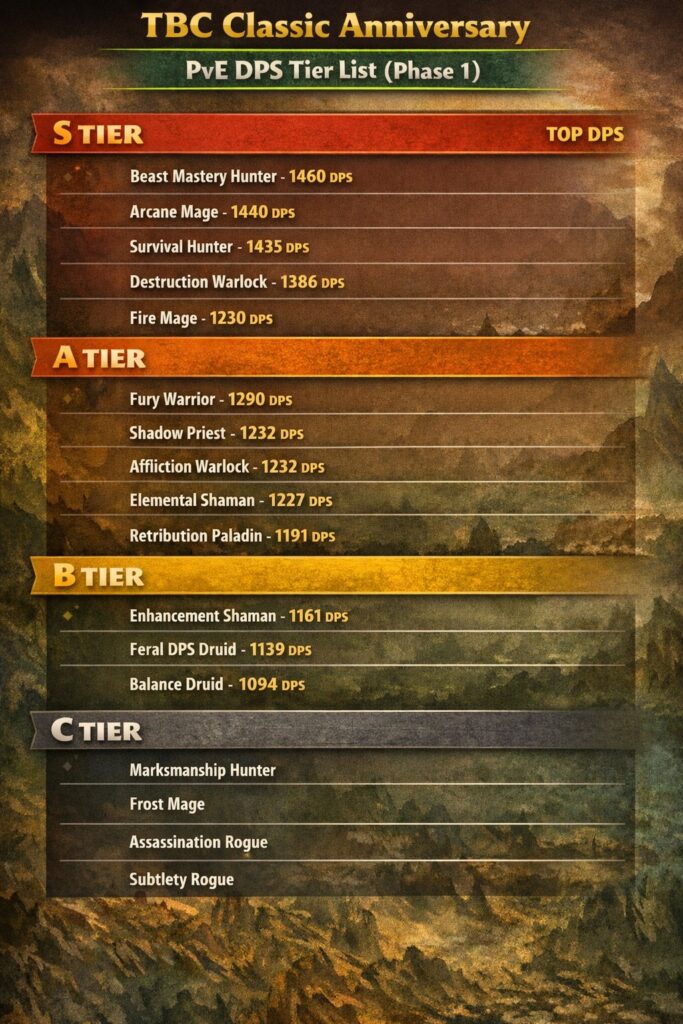
With The Burning Crusade Classic Anniversary now live, many players are asking the same question: “What are the best PvE DPS specs in TBC?”
In this article, we break down the PvE DPS tier list for Phase 1 (Gruul’s Lair & Magtheridon), based on both practical raid performance and real-world data from Warcraft Logs (top 10% parses). While raw damage matters, raid utility and composition are just as important in TBC, so we also take that into account when ranking each specialization.
⚠️ Important note: This tier list focuses strictly on PvE raid performance at level 70. It does not consider PvP viability, boosting, or 5-man dungeons.
🔵 A Tier – Very strong specialization with solid damage and meaningful raid contribution.
🟡 B Tier – Decent performer, often valued more for utility than raw DPS.
🔴 C Tier – Weak DPS performance in raids; playable but rarely optimal.
PvE DPS Tier List – Phase 1 (TBC Anniversary)
🟣 S Tier (Top Performers)
These specs dominate damage meters or bring critical raid value.
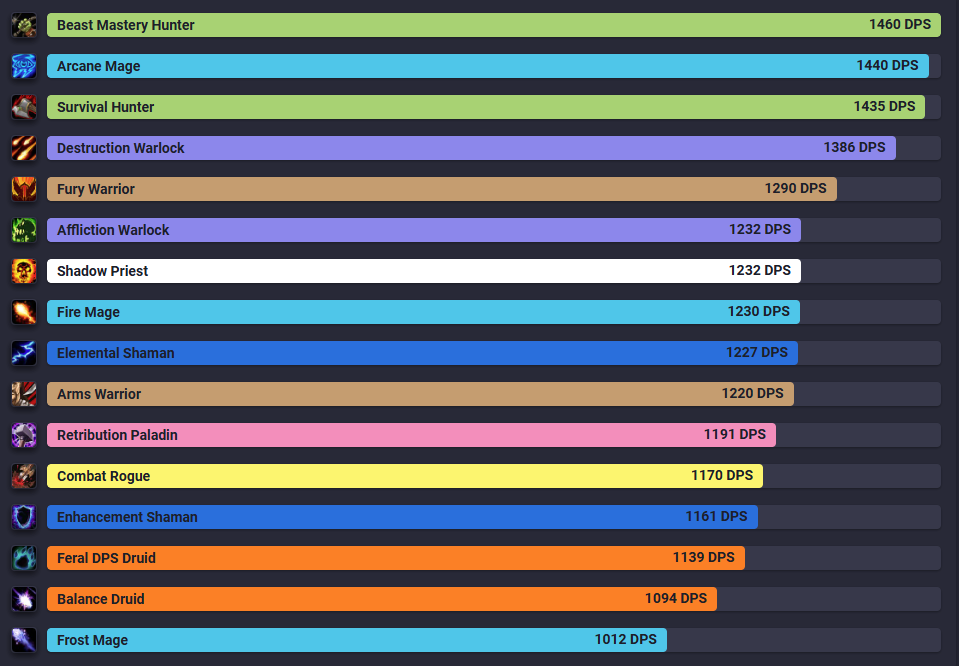
Beast Mastery Hunter — 1460 DPS The strongest overall DPS in Phase 1. High damage, excellent scaling, and reliable performance on almost every encounter.
Arcane Mage — 1440 DPS Incredible burst damage and excellent mana efficiency in early TBC raids.
Survival Hunter — 1435 DPS Slightly behind BM but still extremely powerful, especially with proper raid buffs.
Destruction Warlock — 1386 DPS Strong sustained DPS with great cleave potential and excellent raid utility.
Fire Mage — 1230 DPS Competitive damage with great scaling and reliable performance.
🔵 A Tier (Very Strong Choices)
High-performing specs that contribute well to raids.
In TBC Classic Anniversary, raid composition matters just as much as raw DPS. Specs like Shadow Priest, Enhancement Shaman, and Retribution Paladin may not top the meters, but they can be invaluable for raid performance.
If you want to push maximum damage in Phase 1, your best bets are:
The Burning Crusade Classic Anniversary just received a new round of hotfixes on January 14, 2026, resolving several important issues affecting players since launch.
According to a blue post from Blizzard Community Manager Kaivax, the following changes are now live on TBC Classic Anniversary servers:
January 14, 2026 Hotfix Summary
Character Boost services restored after a brief outage
Arena Skirmishes enabled, as originally intended
Addon throttling issue fixed, restoring normal addon behavior
Chronoboon Displacer returned to its adjusted state:
Cost: 1 gold
Stack size: 10
These fixes address several of the most disruptive early-launch problems and should noticeably improve the overall gameplay experience going forward.
The Burning Crusade Classic Anniversary realms are finally live, letting players roll their new Blood Elf Paladins and Draenei Shamans — but not without a few hiccups.
Many players quickly noticed that the $60 Character Boost they had purchased was not working after logging in. Blizzard has since confirmed that both the Character Boost and Name Change services have been temporarily disabled on the TBC Anniversary servers while engineers work on resolving the problem.
[#Warcraft] We have temporarily disabled Character Boost and Name Change services on Burning Crusade Classic Anniversary and WoW Classic while we fix an issue. Thank you for your patience.
Tom Ellis, Senior Game Producer for World of Warcraft, stated that a fix for the Character Boost should be coming later today.
For now, players can access the realms, create characters, and explore the pre-patch content — but any purchased boosts will remain unavailable until Blizzard completes the fix.
We’ll keep this page updated as soon as Blizzard rolls out the solution.
The moment many of us have been waiting for is here: The Burning Crusade Classic Anniversary is officially live! Players around the world are fired up and ready to jump back into Outland — but there’s a catch.
👉 As of right now, the servers are not yet online due to ongoing technical issues. The team is actively working on resolving these problems, and we’ll update this post as soon as things are back up and running.
![Screenshot Placeholder] (add your own screenshot here)
What’s New in the Anniversary?
This Anniversary event brings a range of features, rewards, and quality-of-life enhancements to TBC Classic, including (but not limited to):
🚫 Servers are live in name only — you can’t log in yet. Technical challenges have delayed full access, and the team has indicated that more updates are coming soon.
[#WoWClassic] Current maintenance has been extended until 6:00 PM (PST), we apologize for any disruption
The Burning Crusade Classic Anniversary is the next major milestone for WoW Classic players. Starting from fresh realms launched for the 20th Anniversary in November 2024, these servers now move forward into The Burning Crusade — with a structured roadmap, phase system, and some important quality-of-life changes.
This guide explains the full TBC Classic Anniversary roadmap: release dates, phase content, and what players should expect at each stage of progression.
Key Release Dates
The confirmed timeline for the start of The Burning Crusade Classic Anniversary.
TBC Pre-Patch: January 13, 2026
TBC Classic Launch: February 5, 2026
Phase 1 Raids Open: February 19, 2026
The TBC Classic Anniversary realms are the same servers launched on November 21, 2024 for WoW Classic’s 20th Anniversary. These realms now progress naturally into The Burning Crusade.
What Makes Anniversary Servers Different?
Several modern improvements are included from day one.
Improved reporting system
Guild leadership dethroning system
Chronoboon Displacer with up to 10 stored buffs
Improved PvP honor system (Phase 2)
Graphics upgrades
Instant mail between characters on same account
No buff/debuff limit
Dual Spec
Pre-Patch – January 13, 2026
The Burning Crusade truly begins here.
The pre-patch is almost an expansion on its own. It introduces:
Phase 5 represents the full conclusion of The Burning Crusade experience — and one of the most memorable raid eras in WoW history.
Here, get some cookies!
To provide the best experiences, we use technologies like cookies to store and/or access device information. Consenting to these technologies will allow us to process data such as browsing behavior or unique IDs on this site. Not consenting or withdrawing consent, may adversely affect certain features and functions.
Functional
Always active
The technical storage or access is strictly necessary for the legitimate purpose of enabling the use of a specific service explicitly requested by the subscriber or user, or for the sole purpose of carrying out the transmission of a communication over an electronic communications network.
Preferences
The technical storage or access is necessary for the legitimate purpose of storing preferences that are not requested by the subscriber or user.
Statistics
The technical storage or access that is used exclusively for statistical purposes.The technical storage or access that is used exclusively for anonymous statistical purposes. Without a subpoena, voluntary compliance on the part of your Internet Service Provider, or additional records from a third party, information stored or retrieved for this purpose alone cannot usually be used to identify you.
Marketing
The technical storage or access is required to create user profiles to send advertising, or to track the user on a website or across several websites for similar marketing purposes.